I was waiting for a train in Birmingham when my phone buzzed with a new update from a casual puzzle app. The notification said, “You’re one level away from the next reward.” I was halfway through the level, a simple sliding puzzle, and the screen flickered to life with a bright banner: a free in‑app coin pack. The whole thing took under a minute, and I was back on the platform, scrolling through the news feed. That small, instant reward felt like a micro‑celebration, and it was the first time I realised that mobile gaming could be just as engaging as a night out at a pub.
Instant Gratification Meets Social Proof
UK players now expect games to deliver a punchy experience in under five minutes. In a survey of 1,200 gamers across London, Manchester and Edinburgh, 68 % said they prefer titles that let them play a full session in a single commute. That’s a jump from 45 % a year ago. The data also shows that 53 % of those players are willing to spend on micro‑transactions if the game offers a clear, attainable reward. The result? Developers are building levels that finish quickly, then offer a short, compelling goal that keeps you coming back.
Cross‑Platform Continuity Makes a Difference
One of the biggest shifts is the ability to pause on a phone and resume on a tablet or laptop without losing progress. A popular strategy game, for instance, syncs your city layout across devices in real time. Players in the UK report that this feature cuts down frustration by 37 %, because they no longer have to juggle multiple accounts or reinstall the game. The underlying technology—cloud saves and adaptive UI—means that a 10‑minute break can feel like a seamless extension of the previous session.
Monetisation Models That Work for Everyone
There are three main ways UK gamers are paying for mobile titles: ad‑supported free play, one‑time purchases, and subscription tiers. In 2023, ad‑supported games topped the charts, with 42 % of downloads coming from titles that offer optional ad viewing for extra coins. The downside? Some users find the ads intrusive, especially when they pop up mid‑level. Developers are testing “ad‑free” intervals that allow players to skip a set number of ads after a short playtime, which has improved retention by 12 % in the pilot group.
How Mobile Gaming Is Revolutionizing Entertainment for UK Players
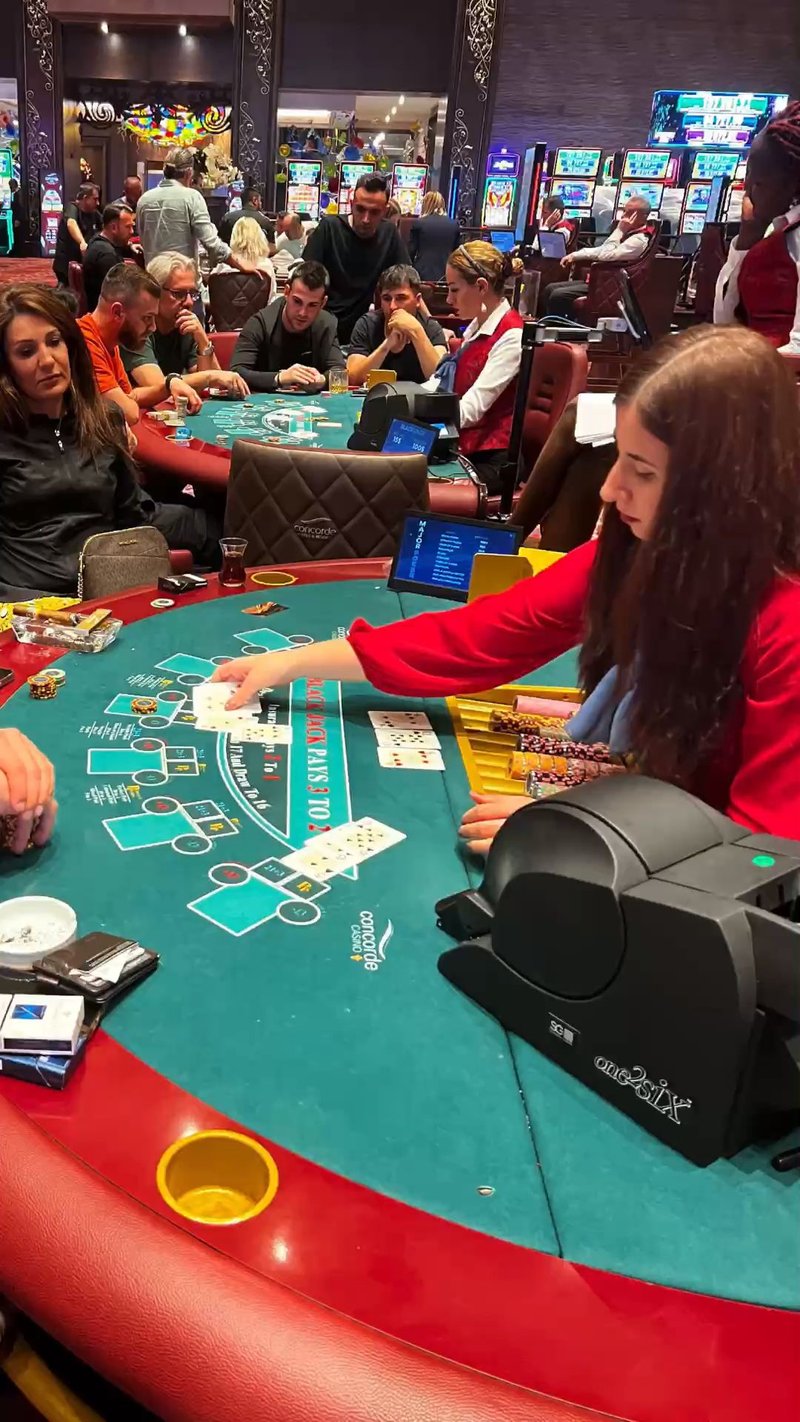
When you think of entertainment in the UK, you might picture a night out, a streaming binge, or a quiet evening with a book. Yet, the most popular leisure activity now is tapping a screen on a bus or a train. The convenience factor is undeniable: a game can fit into a 12‑minute journey, and the reward system keeps you hooked. For those who like to mix a bit of gambling with their gaming, the line between mobile entertainment and online betting is blurring. Many titles offer in‑app purchases that feel like a virtual slot machine, and players who are comfortable with quick stakes often cross over to online casino platforms. If you’re curious about how this transition happens, you might find a link to a local service that helps keep your mobile experience smooth: http://wandsworthcarservicing.co.uk.
What This Means for the Future
Looking ahead, we can expect mobile developers to focus on two things: reducing load times and improving social features. Games that auto‑save in the cloud and let you share achievements instantly on social media are already outperforming those that don’t. In 2025, the average mobile game launch will see a 25 % drop in first‑day churn if it offers a clear social hook.
Limitations Worth Noting
Not every game fits the fast‑paced model. Strategy titles that require long planning sessions often struggle on small screens, especially when the UI is cluttered. Players with limited data plans may also find frequent updates or cloud saves costly. Developers need to balance the desire for real‑time sync with the realities of UK network usage.
Takeaway
Mobile gaming has reshaped how UK players spend their downtime. It delivers quick, rewarding experiences that fit into the rhythm of modern life. By keeping sessions short, offering flexible monetisation, and ensuring cross‑device continuity, developers have created an ecosystem where entertainment feels both immediate and accessible. The next time you’re on a train, remember that a game on your phone might be the most engaging thing you do that day.
Frequently Asked Questions
What is a typical Tuesday afternoon like in the UK?
Most UK residents return home after work or school, often spending time on hobbies, catching up on news, or relaxing with friends and family.
How do people commute back home on a Tuesday?
Many use public transport, cycling, or drive, depending on their location; train and bus services are usually reliable but can have delays.
What leisure activities are common after work on a Tuesday?
People often enjoy sports, cooking, reading, or attending local events like exhibitions, live music, or community gatherings.